
- Organic food standards strictly prohibit the intentional use of genetically modified organisms (GMOs) at every stage of production.
- Organic and non-GMO labels are not the same; organic certification covers broader farming, environmental, and processing practices.
- Trace GMO contamination can occur due to environmental factors, but it does not disqualify food from being certified organic if preventive measures are followed.
- Organic labels are highly regulated and audited, making them one of the most reliable food claims for health-conscious consumers.
- Choosing organic food supports transparency, reduced chemical exposure, and sustainable farming rather than guaranteeing perfect or superior nutrition.
Organic food has become a cornerstone of many health-conscious lifestyles, yet confusion still surrounds what “organic” really means—especially when it comes to genetically modified organisms (GMOs). Grocery shelves are filled with labels claiming “organic,” “non-GMO,” or “natural,” and these terms are often used interchangeably, even though they mean very different things.
This article breaks down the facts behind organic labels, explains whether organic food can be GMO, and helps you make informed decisions that align with your wellness goals.
What Does “Organic” Really Mean?
Understanding what the word “organic” legally represents is the first step toward answering questions about GMOs. Organic is not a marketing buzzword; it is a regulated production standard governed by strict certification rules. For health-conscious people, these standards matter because they directly affect how food is grown, processed, and handled before it reaches the table.
Organic certification focuses on farming methods rather than the final nutritional profile alone. Farmers must follow detailed guidelines that prioritize environmental sustainability, soil health, and natural inputs. These practices are designed to reduce chemical exposure and promote long-term agricultural balance, which is why organic food is often associated with cleaner eating habits.
At its core, organic production emphasizes prevention over correction. Instead of relying on synthetic chemicals or genetic engineering, organic systems use natural alternatives to manage pests, weeds, and soil fertility. This foundation sets the stage for understanding how GMOs fit—or do not fit—into organic agriculture.
Key principles of organic food production
- Prohibition of synthetic pesticides and fertilizers
- Emphasis on crop rotation and soil health
- Use of natural pest and weed control methods
- Mandatory inspections and certification audits
Can Organic Food Be GMO? Understanding the Rules
This question is one of the most common among health-conscious shoppers, and the answer lies in regulatory definitions. Under organic certification standards, genetically modified organisms are explicitly prohibited. This means organic food cannot be intentionally grown, raised, or produced using GMO seeds, animals, or ingredients.
Organic standards were created to exclude genetic engineering because GMOs rely on laboratory-based DNA modification, which conflicts with organic principles. Farmers seeking organic certification must prove that they have not used genetically engineered seeds and that they take steps to avoid GMO exposure throughout the growing process.
However, it is important to understand that “cannot be GMO” does not mean “zero risk under all circumstances.” Organic regulations recognize real-world farming challenges, such as pollen drift or shared processing facilities. As long as farmers demonstrate preventive practices and compliance, their products can still be certified organic even if trace, unavoidable contamination occurs.
How organic standards address GMOs
- GMO seeds and animals are strictly banned
- Farmers must document seed sources and inputs
- Preventive buffers are required near GMO crops
- Certification focuses on process, not absolute zero presence
Organic vs Non-GMO Labels: Are They the Same?
Many shoppers assume organic and non-GMO labels are interchangeable, but they serve different purposes. Understanding this distinction helps health-conscious consumers avoid confusion and marketing-driven assumptions. While both labels appeal to similar values, they are not regulated in the same way.
The organic label covers the entire production system, including soil management, pest control, animal welfare, and processing methods. GMO exclusion is only one component of a much broader framework. In contrast, a non-GMO label focuses narrowly on genetic modification and does not address pesticide use, farming practices, or environmental impact.
This distinction explains why organic food is often associated with broader wellness outcomes. Discussions around the 10 benefits of organic food frequently include reduced chemical exposure, improved soil health, and environmental sustainability—factors that go far beyond GMO avoidance alone.
Key differences between organic and non-GMO labels
- Organic includes GMO prohibition plus farming standards
- Non-GMO does not restrict pesticide or fertilizer use
- Organic certification involves annual inspections
- Non-GMO products may still be highly processed
How Reliable Are Organic Labels for Health-Conscious Consumers?
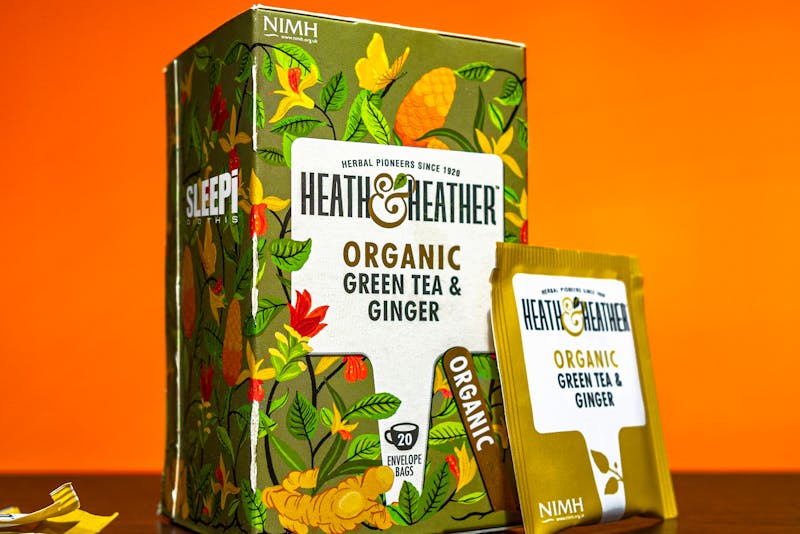
Trust plays a major role in food choices, especially for individuals focused on long-term health and disease prevention. Organic labels are among the most heavily regulated food claims, making them more reliable than many other packaging statements. Certification requires ongoing compliance, documentation, and third-party verification.
That said, organic labels are not a guarantee of perfection. They do not promise superior nutrition in every case, nor do they eliminate all external risks. Instead, they offer transparency and accountability in how food is produced, which is often what health-conscious consumers value most.
Choosing organic can be part of a broader wellness strategy rather than a single solution. When combined with whole-food eating patterns, label literacy, and balanced nutrition, organic food supports informed, intentional dietary decisions rather than fear-based avoidance.
Tips for using organic labels wisely
- Look for official certification seals.
- Prioritize organic for high-residue foods.
- Combine organic choices with whole-food diets.
- Avoid assuming “organic” means “junk-free”.
The Bottom Line: Can You Trust Organic Claims?
Organic food cannot be genetically modified by design, and strict regulations exist to enforce this standard. While no system is entirely immune to environmental factors, organic certification provides one of the strongest safeguards against GMO use available today. For health-conscious people, organic labels offer clarity, consistency, and a science-backed framework for cleaner food choices.
Rather than viewing organic food as a perfect solution, it is best understood as a reliable tool. When used thoughtfully, organic labels help consumers align their dietary habits with personal health values, environmental responsibility, and long-term wellness goals.