-
Organic labels are regulated and certified, while natural labels are largely unregulated and can be used more flexibly by food manufacturers.
-
The difference between organic and natural labels lies mainly in how food is produced and verified, not in how healthy it appears on packaging.
-
Natural foods may still contain conventionally grown ingredients, synthetic additives, or highly processed components.
-
Organic foods must meet specific standards related to farming practices, animal welfare, and ingredient sourcing.
-
Packaging design and marketing language often blur the distinction, leading many consumers to assume the two labels mean the same thing.
-
Front-of-package claims should never replace reading ingredient lists and checking for credible certifications.
-
Understanding food labels helps consumers make more informed choices that align with their health, environmental, and ethical priorities.
Consumers today are more interested than ever in what goes into their food. Shoppers want healthier options, fewer additives, and products that align with environmental and ethical values. As a result, food packaging is filled with terms meant to signal quality and wholesomeness. Two of the most common — and most misunderstood — are organic and natural.
At first glance, these labels appear similar. Both suggest cleaner ingredients, fewer chemicals, and better overall quality. However, the difference between organic and natural labels is far more complex than many consumers realize. One term is tightly regulated and legally defined, while the other is often vague and open to interpretation. This lack of clarity leads to confusion, misplaced trust, and purchasing decisions based more on marketing than facts.
Understanding how these labels work, what they truly represent, and why they are often misinterpreted can help consumers shop more confidently and avoid misleading claims.
What Does “Organic” Mean on Food Labels?
The term organic has a specific legal definition when used on food products. It refers to how agricultural ingredients are grown, handled, and processed, rather than to the nutritional value or taste of the final product.
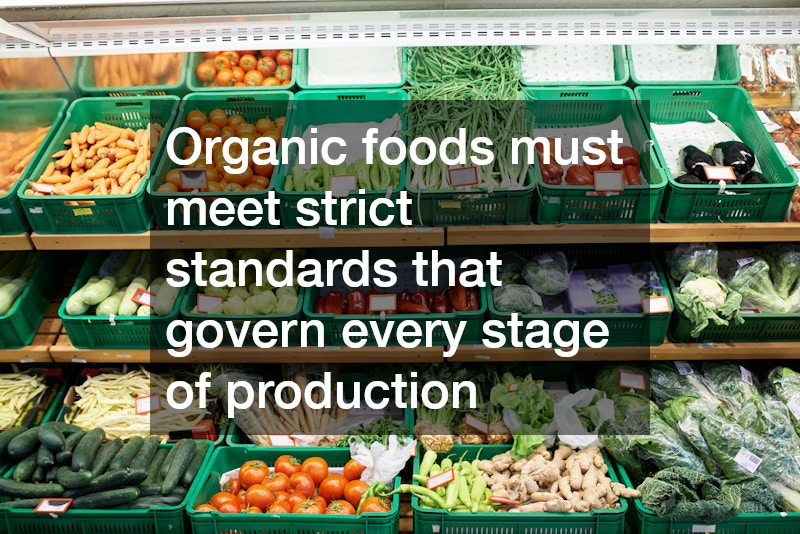
Organic foods must meet strict standards that govern every stage of production, from soil management to harvesting and packaging. These standards are enforced by regulatory bodies and verified through certification programs.
Organic labeling generally requires that:
-
Crops are grown without most synthetic pesticides, herbicides, or fertilizers
-
Genetically modified organisms (GMOs) are not used
-
Soil health is maintained through crop rotation and natural fertilization methods
-
Livestock are raised without routine antibiotics or growth hormones
-
Animals have access to the outdoors and are fed organic feed
Certification is a key component of organic labeling. Farmers and producers must undergo regular inspections and detailed recordkeeping to maintain compliance.
There are also different categories of organic labeling, which can further confuse consumers:
-
100% organic: All ingredients must be certified organic
-
Organic: At least 95% of ingredients must be organic
-
Made with organic ingredients: At least 70% of ingredients are organic
-
Specific organic ingredients listed: Less than 70% organic content, but individual ingredients may be identified
Because organic labeling is regulated, consumers can verify claims through certification seals and ingredient lists. While organic foods are often more expensive, the higher price reflects the cost of meeting these standards and maintaining certification.
What Does “Natural” Mean on Food Labels?
Unlike organic, the term natural does not have a consistent or enforceable legal definition across most food categories. In many cases, it is used as a marketing descriptor rather than a regulated claim.
Generally speaking, natural is intended to suggest that a product is minimally processed and free from artificial additives. However, because the term is loosely defined, its actual meaning can vary widely from one product to another.
In practice, foods labeled as natural may still contain:
-
Conventionally grown ingredients
-
Synthetic pesticides used during farming
-
Artificial preservatives or flavor enhancers
-
Highly processed components
The lack of standardized oversight means that manufacturers have significant flexibility in how they apply the term. This creates a gap between what consumers expect natural foods to be and what they actually are.
Common consumer assumptions about natural foods include:
-
Ingredients come directly from nature
-
No chemicals or artificial substances are used
-
The food is healthier than conventional options
In reality, many of these assumptions are not guaranteed. A natural label often reflects how the product is marketed rather than how it was produced.
Key Differences Between Organic and Natural Labels
The difference between organic and natural labels becomes clearer when comparing how each term is regulated, verified, and applied.
Regulatory oversight
-
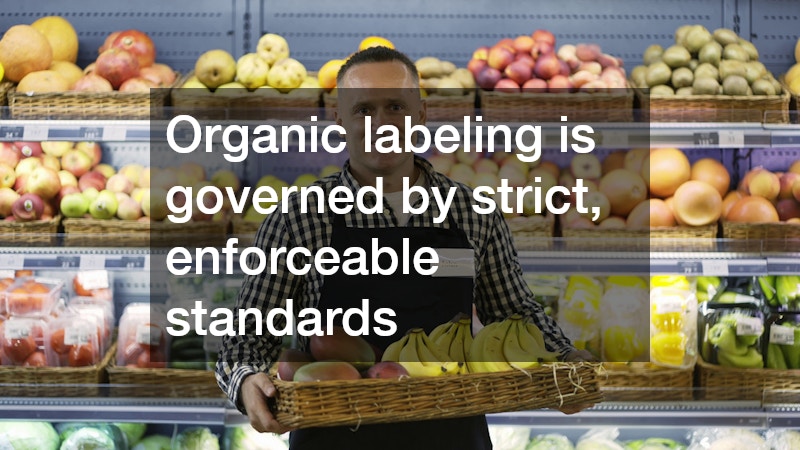
Organic labeling is governed by strict, enforceable standards
-
Natural labeling has limited oversight and inconsistent definitions
Certification
-
Organic products must be certified by accredited organizations
-
Natural products typically do not require third-party certification
Farming practices
-
Organic farming restricts synthetic pesticides, fertilizers, and GMOs
-
Natural foods may still rely on conventional agricultural methods
Processing standards
-
Organic processing limits certain additives and preservatives
-
Natural processing rules are often undefined or loosely applied
Transparency
-
Organic labels provide traceability and verification
-
Natural labels rely largely on brand credibility
These differences explain why organic claims tend to carry more weight with informed consumers, while natural claims are more subjective and harder to evaluate.
Why the Difference Between Organic and Natural Is So Confusing
Consumer confusion stems from a combination of visual design, language choices, and limited public education. Food packaging often emphasizes words that evoke health and purity, even when the underlying standards differ significantly.
Several factors contribute to the confusion:
-
Similar packaging styles using green colors, earthy imagery, and farm-related visuals
-
Marketing language that blurs the line between regulated and unregulated terms
-
Lack of clear explanations on packaging about what each label actually means
-
Assumptions that all health-oriented labels follow the same rules
In grocery stores, shoppers are bombarded with dozens of claims competing for attention. Without time to research each product, many rely on familiar buzzwords rather than verified standards.
This environment makes it easy for consumers to believe that organic and natural are interchangeable, even though their definitions and implications are not.
How Food Labels Influence Consumer Behavior
Food labels play a powerful role in shaping purchasing decisions. Words like organic and natural influence how people perceive quality, safety, and value, often before they read the ingredient list.
Research and consumer behavior studies consistently show that:
-
Shoppers associate organic and natural labels with better health outcomes
-
Products with these labels are perceived as higher quality
-
Consumers are more willing to pay premium prices for labeled products
-
Trust in labeling affects brand loyalty and repeat purchases
However, when expectations are not met, this trust can erode. Discovering that a natural product contains artificial additives or heavily processed ingredients can leave consumers feeling misled.
Understanding labeling terminology helps shoppers align their choices with their actual priorities rather than relying on assumptions.

Common Myths About Organic and Natural Foods
Misunderstandings about food labels have led to several persistent myths that shape consumer expectations.
Myth: Natural foods are always healthier
Natural foods may still contain high levels of sugar, sodium, or unhealthy fats. The label does not guarantee nutritional balance.
Myth: Organic foods are completely chemical-free
Organic farming allows certain natural pesticides and approved substances. The goal is reduced synthetic chemical use, not total elimination.
Myth: Organic and natural mean the same thing
One is regulated and certified, while the other is largely interpretive.
Myth: Labeling guarantees superior nutrition
Nutrition depends on the food itself, not just the production method.
Recognizing these myths helps consumers focus on meaningful factors such as ingredient quality, nutrient density, and dietary balance.
How to Read Food Labels More Critically
Becoming a more informed shopper requires looking beyond front-of-package claims. Understanding what to check can prevent confusion and reduce the influence of misleading marketing.
Key steps to take when reading food labels:
-
Review the full ingredient list, not just highlighted claims
-
Look for recognized certification seals when evaluating organic products
-
Be cautious of vague terms that lack clear definitions
-
Compare similar products to identify meaningful differences
Helpful questions to ask while shopping:
-
Is this claim regulated or self-declared?
-
Are ingredients recognizable and minimally processed?
-
Does the product align with my health or ethical goals?
Developing these habits allows consumers to make decisions based on evidence rather than impressions.
The Role of Regulations and Industry Practices
Food labeling regulations aim to protect consumers, but enforcement varies depending on the claim. Organic labeling benefits from well-established standards and inspection processes, while natural labeling remains more subjective.
Industry practices also play a role. Companies may push for broader interpretations of natural to gain marketing advantages without incurring the costs of certification.
This imbalance highlights why regulatory clarity matters. When standards are clearly defined and enforced, consumer trust improves. When they are vague, confusion and skepticism grow.
Why Understanding These Labels Matters for Long-Term Health and Sustainability
Food choices affect more than just individual diets. They influence agricultural systems, environmental sustainability, and long-term public health.
Understanding labeling distinctions helps consumers:
-
Support farming practices aligned with their values
-
Reduce exposure to unwanted additives
-
Encourage transparency within the food industry
-
Make consistent, informed purchasing decisions
While no label is a guarantee of perfect nutrition, informed choices contribute to healthier eating patterns and more responsible consumption.
The difference between organic and natural labels is significant, yet often misunderstood. One is rooted in clearly defined standards and certification, while the other is shaped largely by marketing language and consumer perception. This disparity is a major reason why shoppers struggle to interpret food labels confidently.
Confusion is unlikely to disappear overnight, but education empowers consumers to look beyond buzzwords and evaluate products more critically. By understanding how labels work, reading ingredient lists carefully, and recognizing the limits of marketing claims, shoppers can make choices that align with their health goals and personal values.
In an increasingly complex food marketplace, knowledge remains the most reliable guide.