Key Takeaways
-
Preservatives keep food safe and fresh by preventing spoilage from microbes, oxidation, and moisture changes.
-
Natural preservatives come from plants and fermentation, working by lowering acidity, reducing moisture, and slowing oxidation.
-
Artificial preservatives are synthetic chemicals that extend shelf life and prevent spoilage effectively.
-
Natural preservatives are seen as safer but usually offer shorter shelf life and can be costlier or less consistent.
-
Artificial preservatives are approved but face consumer concerns about potential health effects.
-
Natural options preserve flavor and texture better; artificial ones boost shelf life and consistency.
-
Clear labeling and transparency help consumers trust products and make informed choices.
Food preservatives are vital in maintaining the safety, freshness, and quality of many foods. For organic consumers, understanding the difference between natural food preservatives and artificial preservatives is crucial to making informed choices that align with their values and health priorities.
This article compares natural and artificial preservatives in terms of safety, shelf life, labeling, and consumer trust—helping you navigate your organic food options with confidence.
Why Are Food Preservatives Used?
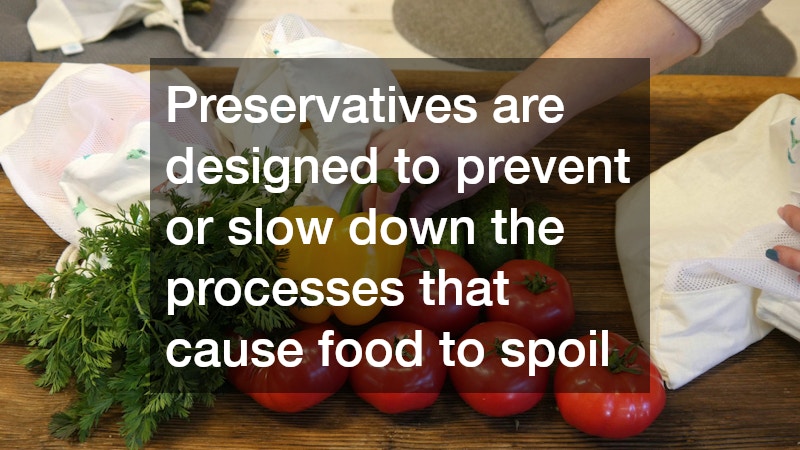
Food preservatives play a vital role in maintaining the safety, quality, and longevity of the food we consume. At their core, preservatives are designed to prevent or slow down the natural processes that cause food to spoil. Spoilage is primarily driven by factors such as the growth of bacteria and mold, chemical reactions like oxidation, and changes in moisture content. Without effective preservation, many foods would become unsafe or unpleasant to eat within a very short time frame.
Preventing Rapid Spoilage and Ensuring Food Safety
One of the main reasons food preservatives are used is to prevent foods from spoiling too quickly. When food spoils, it often undergoes visible changes such as mold growth, off smells, discoloration, or slimy textures. More importantly, spoilage can indicate the presence of harmful bacteria and pathogens that pose serious health risks, including food poisoning and other foodborne illnesses.
- Spoilage from microorganisms: Bacteria, yeast, and molds naturally exist in the environment and on food surfaces. When conditions are right—warmth, moisture, and nutrients—they multiply rapidly, leading to food degradation.
- Food safety concerns: Consuming spoiled food can cause nausea, vomiting, diarrhea, and in severe cases, serious infections or hospitalizations. Preservatives inhibit or slow microbial growth, reducing these risks.
- Transportation and storage: In modern food supply chains, food often travels long distances and is stored for extended periods before reaching consumers. Preservatives ensure that food remains safe and fresh during transport and on store shelves.
Maintaining Food Quality and Nutritional Value
Preservation is not just about safety—it’s also about maintaining the sensory and nutritional quality of food. Without preservatives, food items can lose their desirable characteristics rapidly.
- Flavor and aroma: Spoiled foods develop unpleasant tastes and smells due to microbial metabolism and chemical changes.
- Texture and appearance: Fresh produce and processed foods can become mushy, dry, or discolored without proper preservation.
- Nutrient retention: Oxidation and enzymatic reactions degrade vitamins and antioxidants over time. Preservatives help slow these processes, preserving the health benefits of food.
Reducing Food Waste
Food waste is a significant global problem, with substantial environmental, economic, and social implications. Preservatives contribute to reducing food waste by extending the usable life of food.
- Extended shelf life: By slowing spoilage, preservatives allow consumers more time to use food before it goes bad.
- Supply chain efficiency: Less spoilage means fewer losses at every stage—from farm to retailer to consumer.
- Sustainability impact: Reducing waste lowers the carbon footprint associated with food production, transportation, and disposal.
What Are Natural Food Preservatives?
Natural food preservatives are substances derived from natural sources such as plants, minerals, or microbial processes. They are favored in organic foods because they align with minimal processing and clean-label expectations.
Key Characteristics
- Source: Plant extracts, minerals, fermentation byproducts
- Processing: Minimal chemical alteration
- Recognition: Often familiar or easily understood by consumers
- Compliance: Meet organic certification standards
Common Examples
- Salt: Draws out moisture and inhibits microbial growth
- Sugar: Binds water to slow bacterial activity, used in jams and syrups
- Vinegar: Lowers pH to prevent bacteria
- Citric Acid: Natural antioxidant from citrus fruits, prevents oxidation
- Rosemary Extract: Natural antioxidant for oils and meats
- Fermented Ingredients: Cultured whey, lactic acid, which promote beneficial microbes
How Natural Preservatives Work
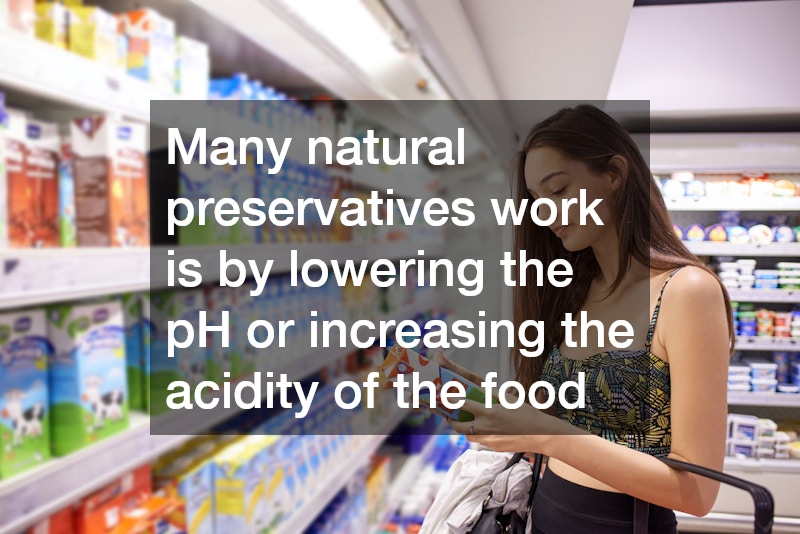
Natural preservatives function through several key mechanisms that help extend the freshness and safety of food products. One of the primary ways they work is by lowering the pH or increasing the acidity of the food. This acidic environment makes it difficult for many harmful bacteria and molds to thrive, effectively slowing down spoilage. Ingredients like vinegar and citric acid are classic examples that utilize this approach.
In addition to acidification, natural preservatives often reduce the availability of moisture within the food. Microorganisms need water to grow and multiply, so by binding or removing moisture—as salt and sugar do—the growth of spoilage-causing microbes is inhibited. This method has been employed for centuries in preserving meats, fruits, and vegetables.
Another important mechanism is the slowing of oxidation processes. Oxidation causes fats to become rancid and vitamins to degrade, affecting both taste and nutritional value. Natural antioxidants such as rosemary extract and certain plant-based compounds help prevent or delay these chemical reactions, preserving flavor and quality.
Furthermore, some natural preservatives work by encouraging the growth of beneficial microbes that outcompete or suppress harmful ones. Fermentation, for example, introduces lactic acid bacteria that lower pH and produce antimicrobial substances, creating an environment hostile to spoilage organisms.
Limitations to Consider
While natural preservatives offer many benefits, they also come with certain limitations. Typically, they provide a shorter shelf life compared to synthetic preservatives. This means that products preserved naturally may spoil faster and often require more careful handling, including refrigeration, to maintain freshness.
Because of these constraints, natural preservatives may necessitate specialized packaging solutions, such as vacuum sealing or modified atmosphere packaging, to further extend shelf life. These added steps can increase the complexity and cost of production.
Additionally, sourcing natural preservatives can be more expensive and less consistent due to variations in raw materials and natural fluctuations in supply. This can impact the overall cost and scalability of products, especially in large-scale manufacturing.
Finally, natural preservatives are often less effective in mass production environments where uniformity and extended shelf life are critical. This sometimes limits their use to smaller-batch or artisanal foods rather than highly processed, widely distributed products.
What Are Artificial Preservatives?
Artificial preservatives are chemically synthesized substances designed to extend food shelf life and maintain consistent quality in mass production.
Why They Exist
- To support large-scale food manufacturing and distribution
- To provide longer shelf stability
- To reduce spoilage and waste over extended periods
- To maintain uniform taste and appearance
Common Artificial Preservatives
- Sodium Benzoate: Preserves acidic foods like beverages and sauces
- Potassium Sorbate: Prevents mold in baked goods and cheeses
- BHA and BHT: Antioxidants to prevent rancidity in fats and oils
- Calcium Propionate: Mold inhibitor in breads
Mode of Action
Artificial preservatives often:
- Inhibit microbial growth with high efficacy
- Prevent oxidation chemically at the molecular level
- Remain stable across diverse environmental conditions
Safety: Natural vs. Artificial Preservatives
Safety is a top priority for many consumers, especially those who prefer organic or natural products. This concern heavily influences their food choices. Both natural and artificial preservatives must undergo rigorous safety assessments by food safety authorities globally. These agencies regulate the permissible levels of preservatives in foods and determine which preservatives are approved for specific products.
Natural Preservatives
Natural preservatives are often perceived as safer because they have been used for centuries in traditional food preservation methods. Their longstanding history gives consumers confidence in their safety. Typically, natural preservatives are well tolerated by most people when consumed in normal dietary amounts. However, it is important to recognize that “natural” does not mean completely risk-free. Some individuals may still have allergies or sensitivities to specific natural ingredients.
Key points about natural preservatives and safety include:
- Generally regarded as safe due to traditional use
- Usually well tolerated in typical amounts
- Possible allergenic or sensitivity risks remain
- Subject to regulatory oversight in organic certification
Artificial Preservatives
Artificial preservatives also pass strict safety evaluations and are approved for use within defined limits. Despite this, concerns linger among some consumers regarding potential long-term health effects, such as allergies or sensitivities. Certain artificial preservatives have been debated in scientific and public forums over possible links to health issues, although many regulatory bodies consider them safe at regulated levels.
Important considerations about artificial preservatives include:
- Approved as safe within regulated usage levels
- Subject of ongoing debates and controversies
- Some consumers worry about cumulative exposure and sensitivities
- Widely used in conventional food manufacturing

Summary Table: Safety Comparison
| Aspect | Natural Preservatives | Artificial Preservatives |
| Regulatory Approval | Required, often with stricter sourcing | Required, extensive safety testing |
| Perceived Safety | Generally viewed as safer | Mixed perceptions, some skepticism |
| Long-term Impact | Limited research, traditional use | More studies but concerns remain |
| Allergies/Sensitivities | Possible but rare | Possible but rare |
Shelf Life and Food Quality
Shelf Life
- Natural preservatives typically provide shorter shelf life (days to weeks) and often require refrigeration.
- Artificial preservatives enable longer shelf life (months to years), often without refrigeration.
Impact on Taste and Appearance
- Natural preservatives generally preserve more authentic flavors and textures but may allow subtle changes over time.
- Artificial preservatives maintain uniform appearance and texture longer, sometimes at the cost of perceived freshness.
Summary Bullet Points
- Natural preservatives align well with freshness and minimal processing.
- Artificial preservatives prioritize longevity and consistency.
- Packaging and storage conditions heavily influence both.
Labeling, Transparency, and Organic Standards
How Preservatives Are Listed
- Natural preservatives are often listed by recognizable names (e.g., vinegar, rosemary extract).
- Artificial preservatives typically appear as chemical names or codes (e.g., sodium benzoate, E211).
Organic Certification Rules
- Organic standards generally prohibit synthetic preservatives or allow only very limited use.
- Natural preservatives must comply with organic production requirements.
Clean-Label Movement
- Many brands embrace clean-label claims by minimizing preservatives or using natural alternatives.
- Transparency about preservation methods helps consumers trust and understand products.
How to Make Informed Choices
How Natural Preservatives Work
Natural preservatives extend the shelf life of foods by leveraging several biological and chemical processes. One of their primary functions is to lower the pH or increase the acidity of food products. This acidic environment inhibits the growth of many harmful bacteria and molds that cause spoilage. For example, ingredients like vinegar and citric acid are commonly used to create these acidic conditions.
Another important mechanism is moisture reduction. Microorganisms require water to thrive, so natural preservatives such as salt and sugar bind to water molecules or draw moisture out of the food. This limits the water available to bacteria and fungi, effectively slowing their growth and prolonging freshness.
Natural preservatives also slow down oxidation—a chemical process that can cause fats to become rancid and degrade essential vitamins. Compounds like rosemary extract act as antioxidants that help maintain the flavor, color, and nutritional quality of food.
In addition to these methods, some natural preservatives encourage the growth of beneficial microbes. For example, fermented foods contain lactic acid bacteria that outcompete spoilage-causing organisms, creating a natural barrier against food degradation.
Limitations of Natural Preservatives
Despite their benefits, natural preservatives do come with some limitations:
- They generally provide a shorter shelf life compared to artificial preservatives, meaning foods may spoil faster.
- Many natural preservatives require refrigeration or specialized packaging to maintain effectiveness.
- Production costs and ingredient sourcing can be higher and less consistent, impacting product pricing.
- Natural preservatives are often less effective for large-scale manufacturing, where uniformity and long shelf life are crucial.
Both natural and artificial preservatives are essential in modern food preservation. Natural food preservatives align better with organic values and clean-label preferences but come with some trade-offs in shelf life and cost. Artificial preservatives offer longer shelf stability and consistency, favored in large-scale production but often viewed with skepticism by organic consumers.
Understanding how preservatives work, their safety profiles, and their labeling can empower organic consumers to make choices that best fit their health, lifestyle, and ethical priorities. Preservation, done thoughtfully, supports safer, fresher, and more sustainable food for everyone.